Cultivation
For humans to survive, they must have water, food and shelter. Originally, these resources were provided directly by the natural world, but as humans learned to cultivate crops and livestock for food and materials, economies started to develop, initially as barter between people with different skills. Societies created systems, which we call governance, for organising themselves. People who need less effort to obtain their water, food and shelter, due to better natural environments and roles in society, tend to be healthier and live longer.
Today, human needs for water, food and health drive relationships with living nature. Economics create pressures, especially through cultivation which includes farming crops and animals, aquaculture, forestry, horticulture and even keeping bees.
The way these activities are managed can have lasting effects on wildlife, water, soil and natural resources. Some effects have become very large. More than 90% of the mass of mammals on earth are now humans or their domestic animals. Sustainable practices can help maintain the benefits from cultivation while conserving nature and the health of the wider environment. Explore practical guidance, best practices and useful tools to support more sustainable cultivation.
Aquaculture
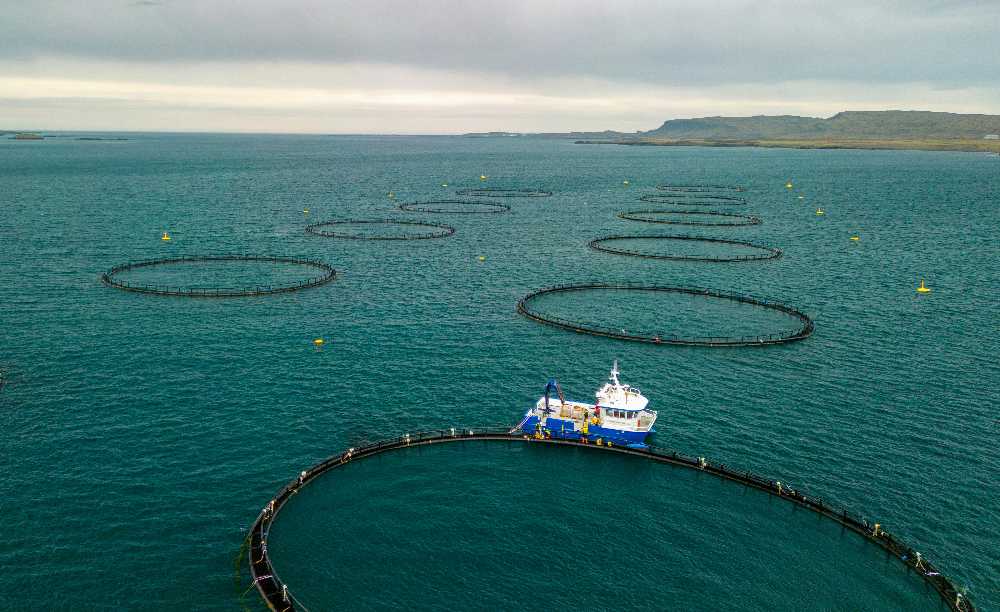
Photo by Ed Wingate on Unsplash
Aquaculture provides an important source of food and supports livelihoods around the world, but must be managed with care to protect life in lakes and seas. Sustainable practices can help maintain water quality, and fish health, while reducing pressure on natural resources. Discover practical guidance and tools for making aquaculture more sustainable and environmentally responsible.
Farming
Farmers play an important role in producing food while supporting healthy ecosystems and biodiversity. The way land is managed, and crops are cared for, can greatly affect the surrounding environment. Explore practical approaches to sustainable cultivation, along with tools to help improve productivity while protecting nature.
Forestry
Forests provide habitats for wildlife, store carbon and supply renewable resources. Sustainable management of forests is therefore important for both people and nature. Responsible forestry can help maintain biodiversity, protect forest health and ensure that woodland resources remain available for future generations. Find practical guidance and tools to support sustainable management.
Bee-keeping
Bee-keeping is used for producing honey, as a food with wide cultural significance and for providing medicinal products. It can be important for pollinating crops, especially where intensive farming has reduced natural pollinators. Bee-keepers too can be champions for wild pollinators and for pollination which sustains countless wild plant and animal species as well as supporting crop yields.
Explore practical guidance, best practices and useful tools to support sustainable bee-keeping.