About Pro-Coast
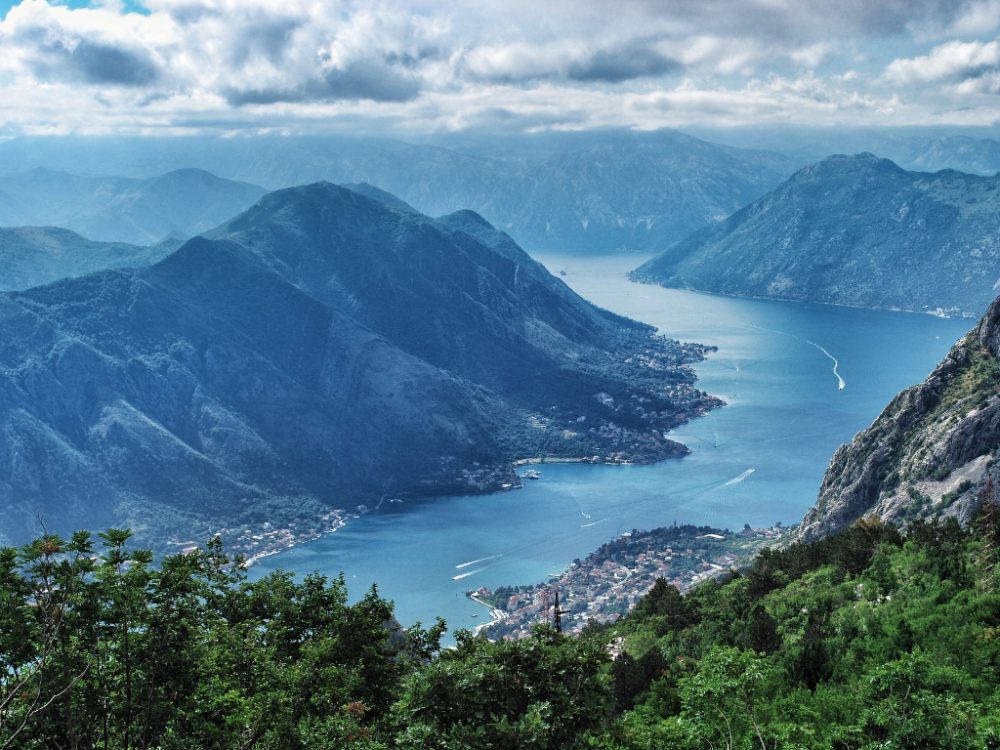 Boka Kotorska Bay area in Montenegro
The Pro-Coast project is about the riches of nature (biodiversity) in European coastal ecosystems. Around 40% of Europeans live within 100km of the coast, where there is continuing loss of natural services that provide food, water, health and recreation. This loss affects some livelihoods and groups of people more than others. Pro-Coast aims to help local communities maintain and restore the riches and services of nature across Europe, by encouraging use of local knowledge and activities that benefit land, sea and species.
Our 20 partners across 14 countries bring together social scientists, ecologists and technical experts with an unusually wide set of skills. They work in 10 case studies to discover how local people would like to restore a variety of coastal ecosystems.
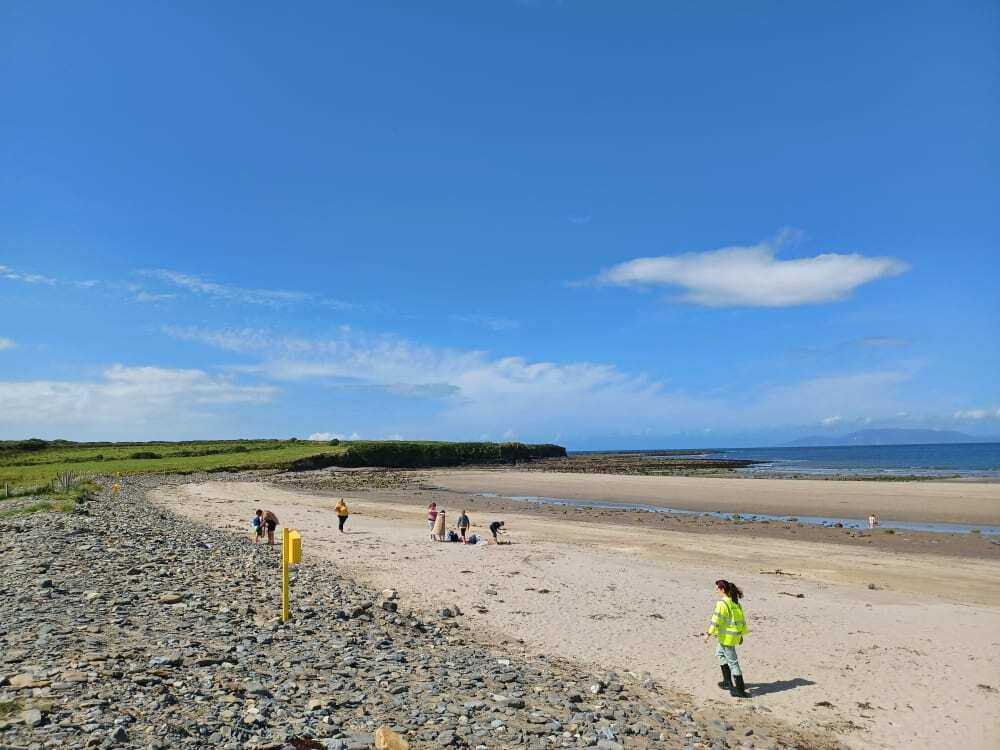 Sligo beach in the Irish Republic
People are part of nature, connected in many and complex ways. Thus, for nature to improve, we need to identify easy ways for its human stewards to make transformative changes. Pro-Coast helps local communities to make wise decisions that benefit nature and its contributions to people, in repeated cycles of deciding-together, applying and assessing. We do this by working together with citizens – a bottom-up process – guided by state-of-the-art science. Additionally, by working together with other projects and organisations that help, we are scaling-out the approach and encourage governments to provide top-down assistance.
Historically
An origin in IUCN
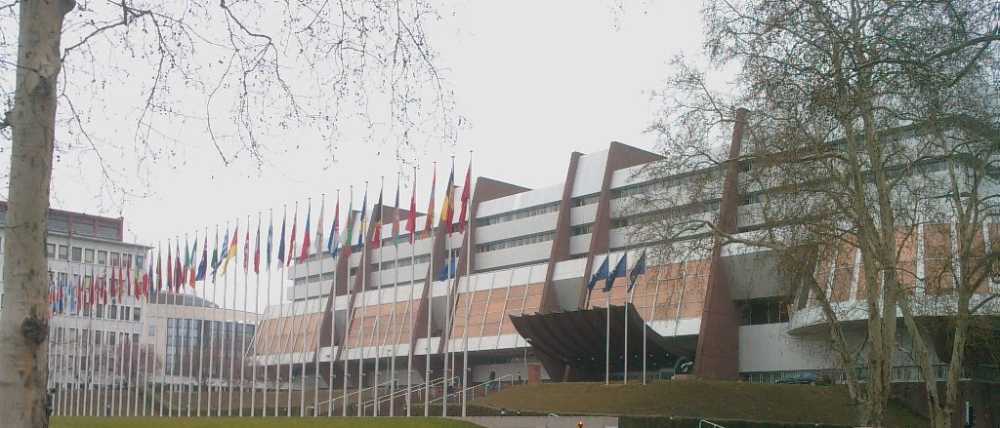 Council of Europe hosts Bern Convention in Strasbourg
A long journey starts with little steps. In 1948, pro-nature organisations and their governments created an International Union, which represents Nature Conservation at the United Nations. IUCN now counts 90 governments and 1350 other nature organisations as members. In its first four decades, IUCN helped to initiate many important international agreements for nature, including the Bern Convention to conserve species and habitat in Europe, the Bonn Convention on Migratory Species and the Convention on Biological Diversity (CBD) at Rio de Janeiro.
In 1997, IUCN created a Sustainable Use Specialist Group of experts, of which a European Sustainable Use Specialist Group was based in Brussels. ESUG wanted to help many activities become sustainable, so it engaged with those who manage land and wildlife: the farmers and foresters, gardeners and gatherers, and the fishers, hunters and watchers of wild species. It created three projects for the European Commission, on agri-environmental measures, on governance for nature and on design of a web-system to help communities manage land and nature.
2022: IPBES and Pro-Coast
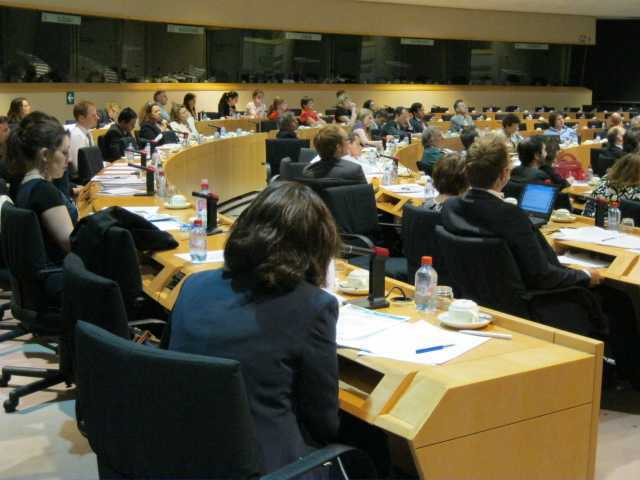 The launch of ESUG's first Network in the European Parliament
In 2022, four things boosted ESUG’s efforts to bring people together for nature. Three were from IPBES, the Intergovernmental Panel for Biodiversity and Ecosystem Services, which was created by CBD in 2010 at Nagoya. An IPBES assessment of sustainable use found at least a third of humans still dependent on use of wild species for food, fuel or livelihoods. IPBES also started work on two further assessments, one on how nature, climate, food, water and health of humans are all linked, and one on humans transforming their role in nature.
The fourth landmark for ESUG in 2022 was submitting a bid to European Commission for work with 19 other partners on how humans could change their role in nature, initially in coastal regions. Our study is strongly based in social science, intending “A PROactive approach for COmmunities to enAble Societal Transformation”. Basically, it is about how people and relevant organisations can best work together in communities to benefit nature.