Despre Pro-Coast
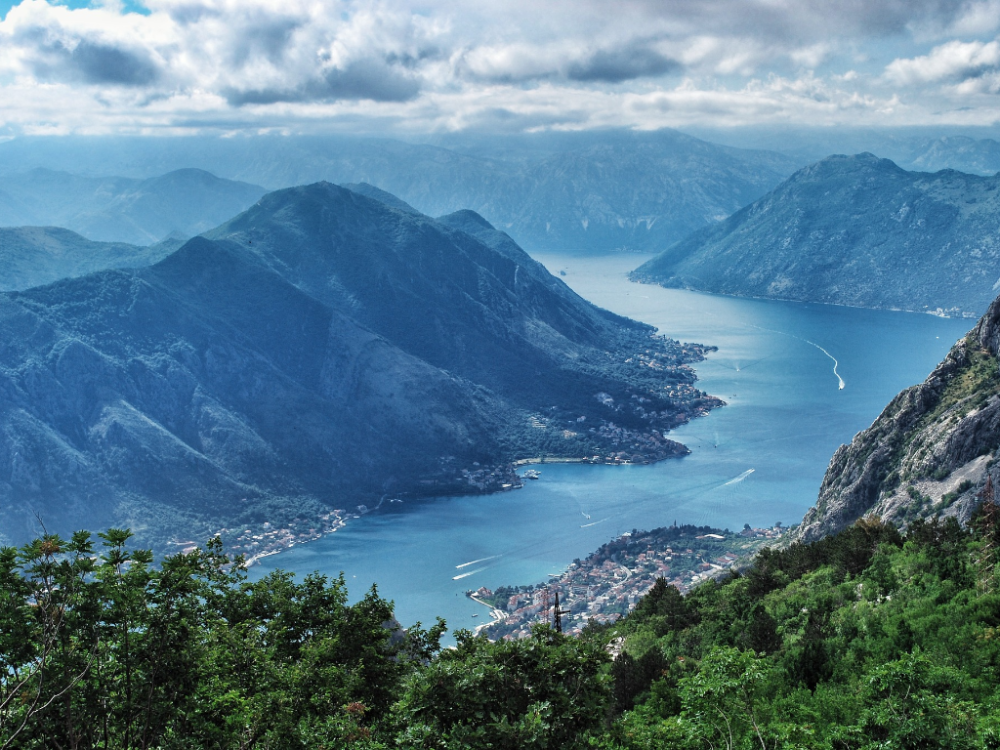 Golful Boka Kotorska, Muntenegru
Proiectul Pro-Coast se concentrează pe bogățiile naturii (biodiversitate) din ecosistemele costiere europene. Aproximativ 40% dintre europeni locuiesc la mai puțin de 100 km de coastă, unde se înregistrează o pierdere continuă a serviciilor naturale care oferă hrană, apă, sănătate și recreere. Această pierdere afectează unele mijloace de trai și anumite grupuri de oameni mai mult decât pe altele. Pro-Coast își propune să ajute comunitățile locale să mențină și să restaureze bogățiile și serviciile naturii în întreaga Europă, prin încurajarea utilizării cunoștințelor locale și a activităților care aduc beneficii terenurilor, mărilor și speciilor.
Cei 20 de parteneri ai noștri din 14 țări reunesc oameni de știință sociologi, ecologi și experți tehnici cu un set de abilități remarcabil de divers. Ei vor lucra în cadrul a 9 studii de caz pentru a descoperi cum ar dori localnicii să restaureze o varietate de ecosisteme costiere.
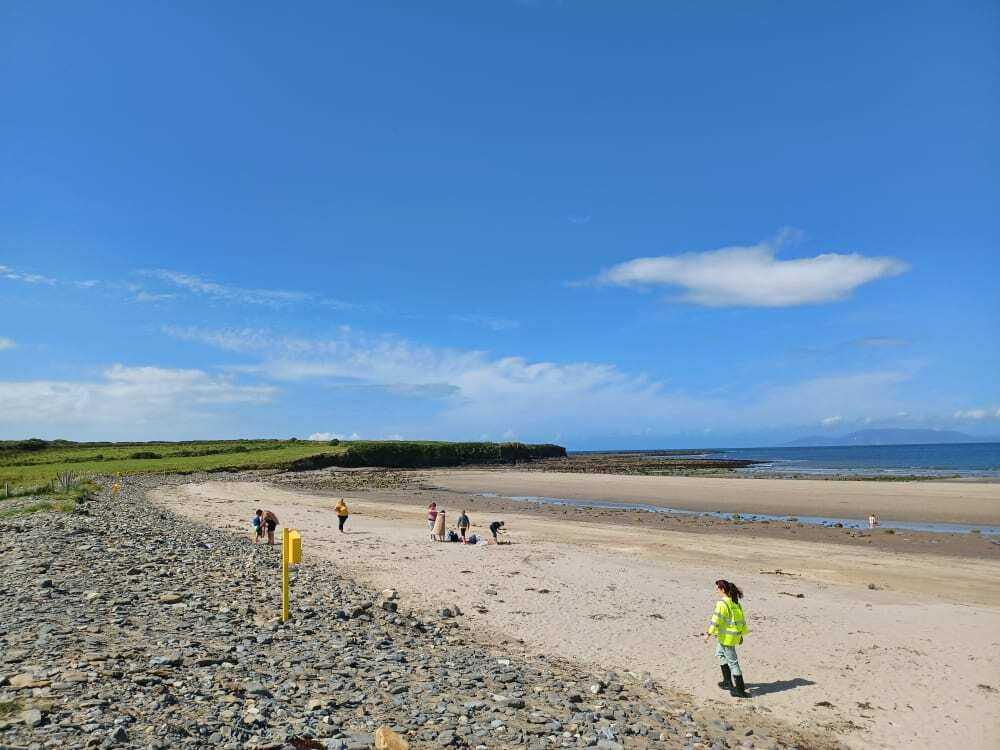 Plaja Sligo din Republica Irlanda
Oamenii sunt parte integrantă a naturii, fiind conectați în moduri multiple și complexe. Astfel, pentru ca natura să se îmbunătățească, trebuie să identificăm modalități simple prin care cei care o îngrijesc să facă schimbări transformatoare. Pro-Coast va ajuta comunitățile locale să ia decizii înțelepte care beneficiază natura și contribuțiile sale pentru oameni, prin cicluri repetate de luare a deciziilor împreună, aplicare și evaluare. Vom face acest lucru colaborând cu cetățenii – un proces de jos în sus – ghidați de știința de vârf. Apoi, lucrând împreună cu alte proiecte și organizații care oferă sprijin, vom extinde abordarea și vom încuraja guvernele să ofere asistență de sus în jos.
Historically
An origin in IUCN
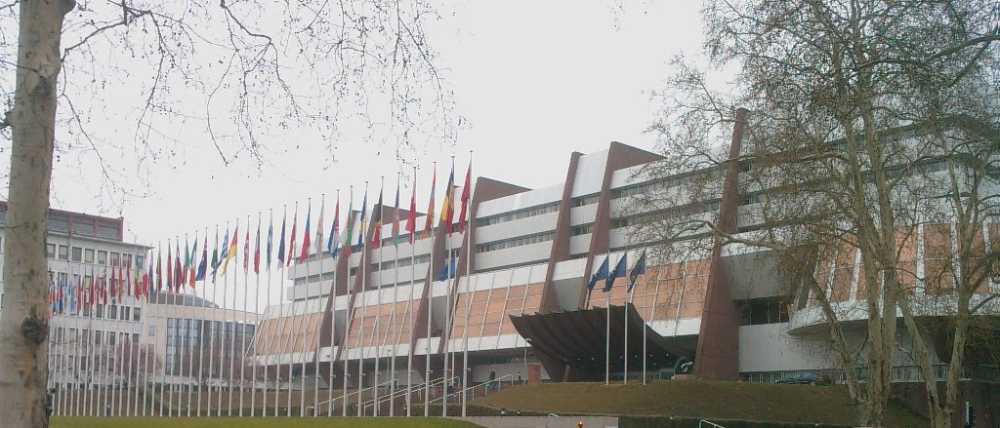 Council of Europe hosts Bern Convention in Strasbourg
A long journey starts with little steps. In 1948, pro-nature organisations and their governments created an International Union, which represents Nature Conservation at the United Nations. IUCN now counts 90 governments and 1350 other nature organisations as members. In its first four decades, IUCN helped to initiate many important international agreements for nature, including the Bern Convention to conserve species and habitat in Europe, the Bonn Convention on Migratory Species and the Convention on Biological Diversity (CBD) at Rio de Janeiro.
In 1997, IUCN created a Sustainable Use Specialist Group of experts, of which a European Sustainable Use Specialist Group was based in Brussels. ESUG wanted to help many activities become sustainable, so it engaged with those who manage land and wildlife: the farmers and foresters, gardeners and gatherers, and the fishers, hunters and watchers of wild species. It created three projects for the European Commission, on agri-environmental measures, on governance for nature and on design of a web-system to help communities manage land and nature.
2022: IPBES and Pro-Coast
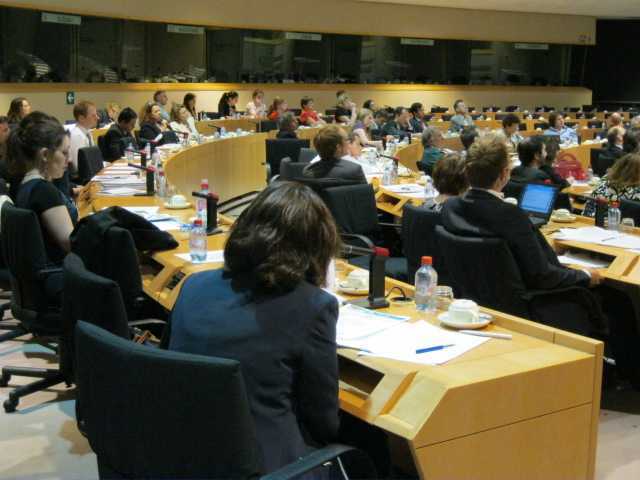 The launch of ESUG's first Network in the European Parliament
In 2022, four things boosted ESUG’s efforts to bring people together for nature. Three were from IPBES, the Intergovernmental Panel for Biodiversity and Ecosystem Services, which was created by CBD in 2010 at Nagoya. An IPBES assessment of sustainable use found at least a third of humans still dependent on use of wild species for food, fuel or livelihoods. IPBES also started work on two further assessments, one on how nature, climate, food, water and health of humans are all linked, and one on humans transforming their role in nature.
The fourth landmark for ESUG in 2022 was submitting a bid to European Commission for work with 19 other partners on how humans could change their role in nature, initially in coastal regions. Our study is strongly based in social science, intending “A PROactive approach for COmmunities to enAble Societal Transformation”. Basically, it is about how people and relevant organisations can best work together in communities to benefit nature.